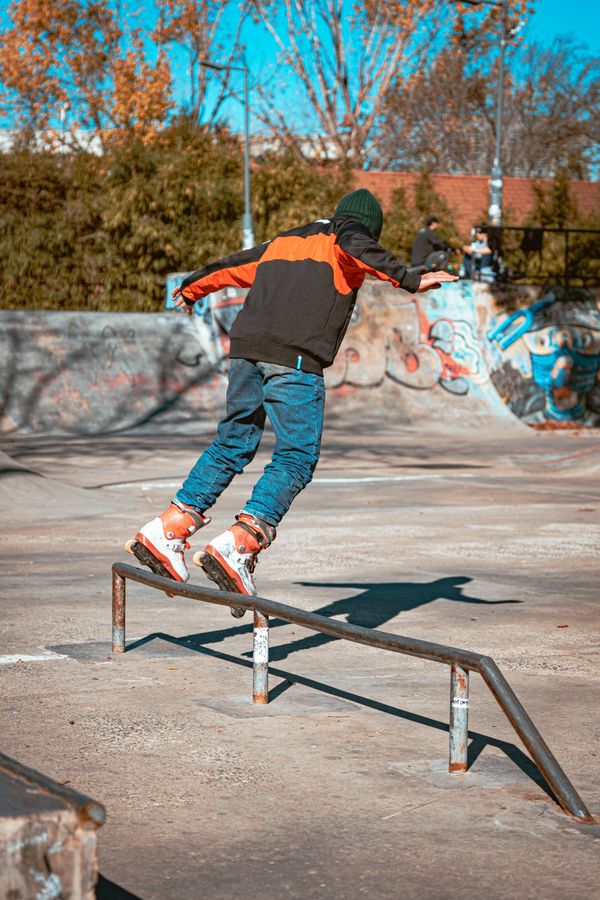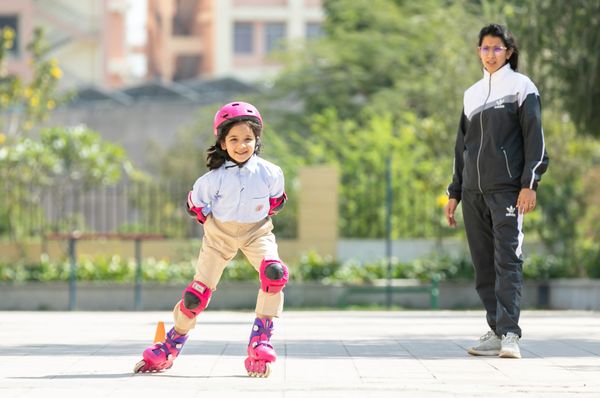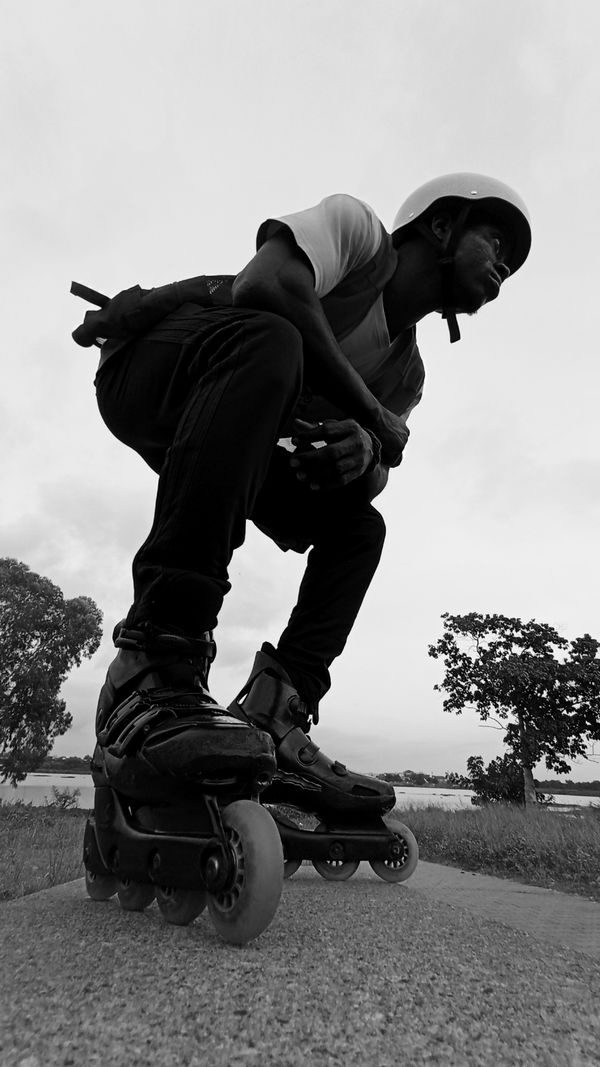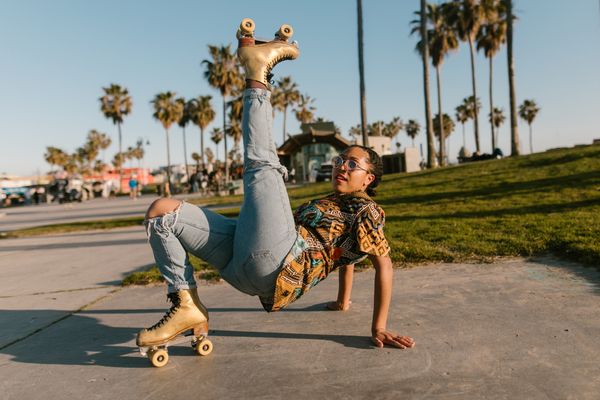
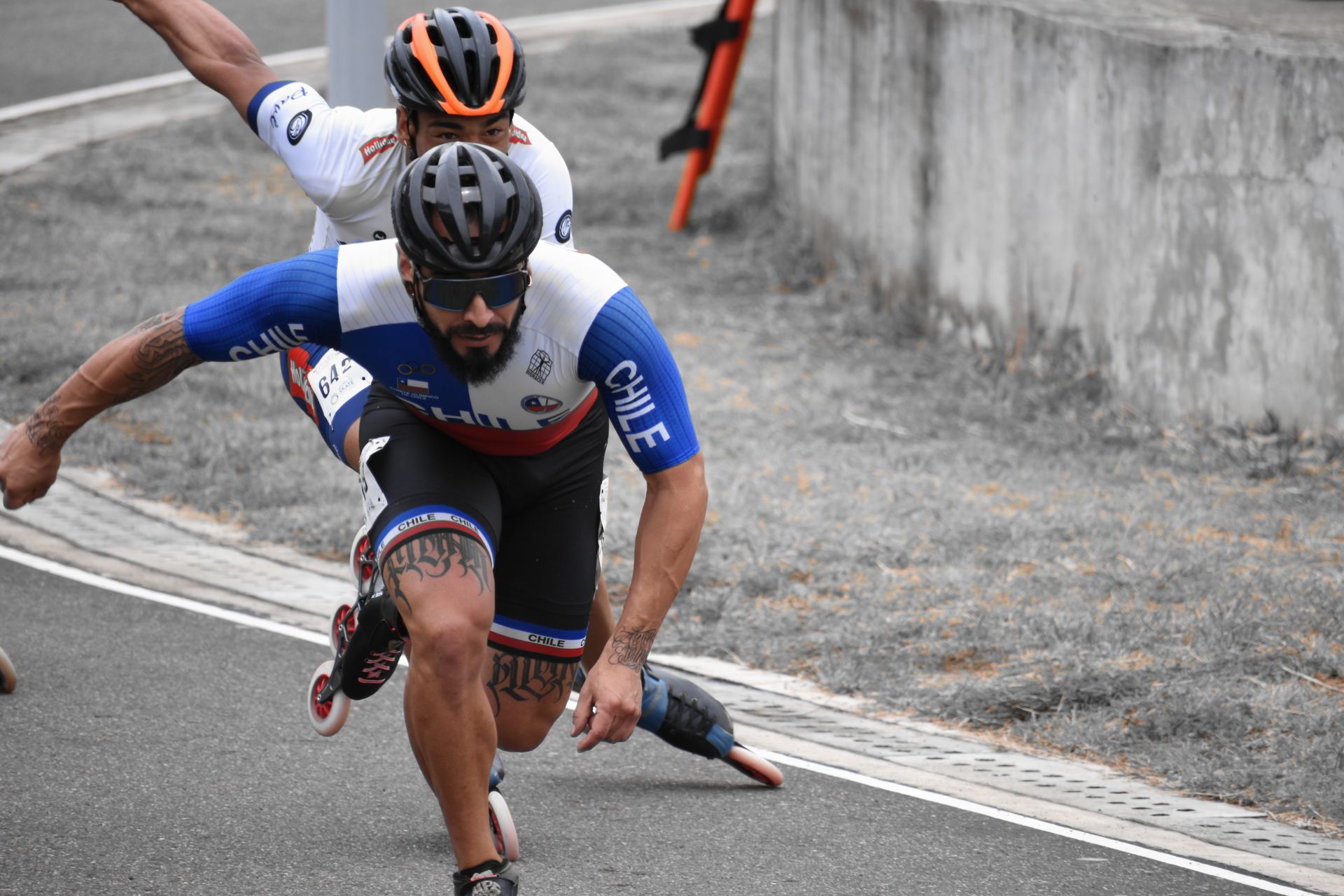
Every Wheel Turn Tells a Story
IISA is home to the inline skating community — real technique, real skaters, real culture. Formed in 1991 and rebuilt by the people who never stopped rolling.
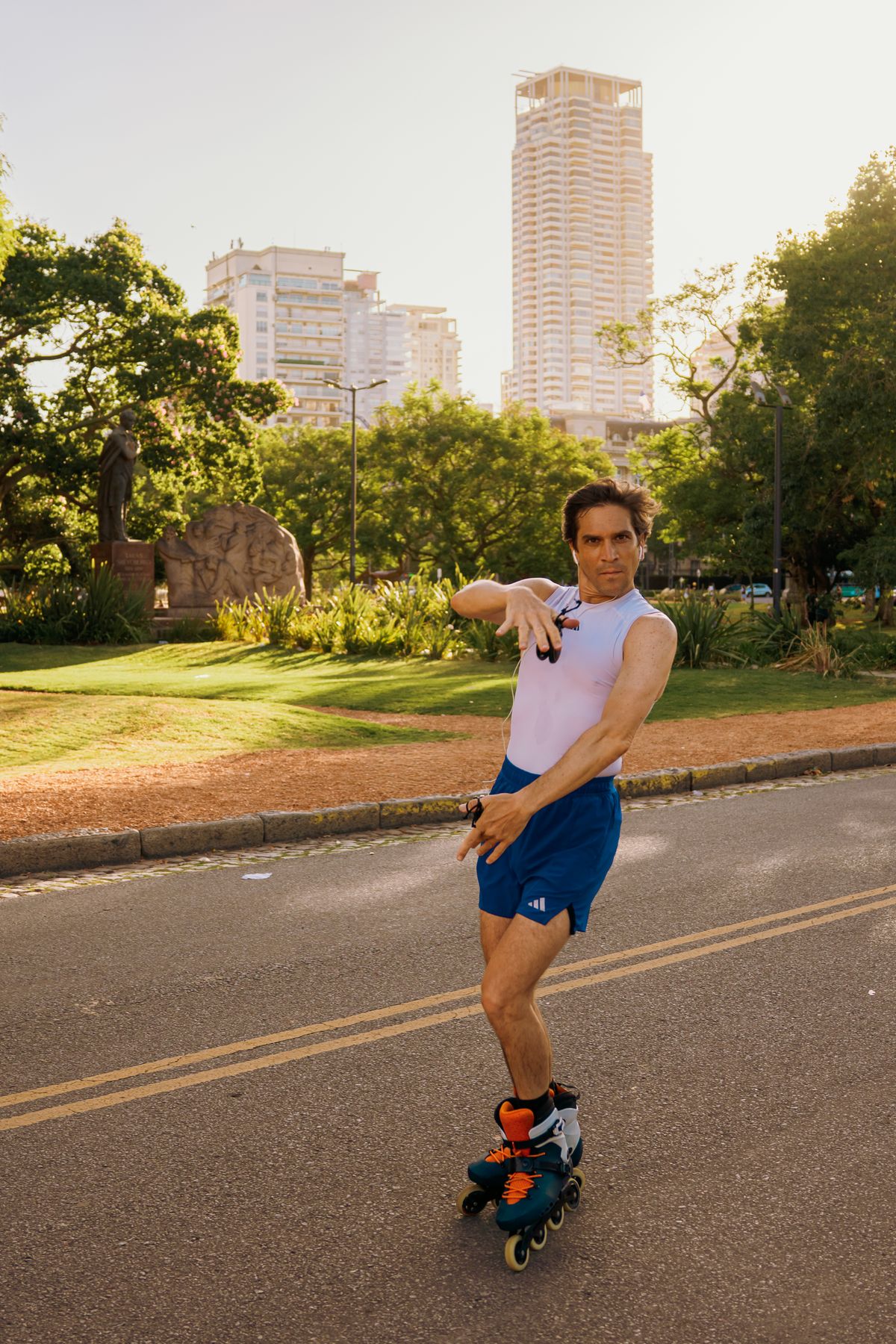
Built By Skaters, For Skaters
The International Inline Skating Association (IISA) was formed in 1991 as a non-profit organization to advance inline skating as a recreational activity, competitive sport, and prosperous industry.
In 2004 the original IISA disbanded — but the community never disappeared. A group of dedicated inline skating enthusiasts came together to revive it as a news and magazine platform, keeping the culture, techniques, and stories of skaters alive for a new generation.
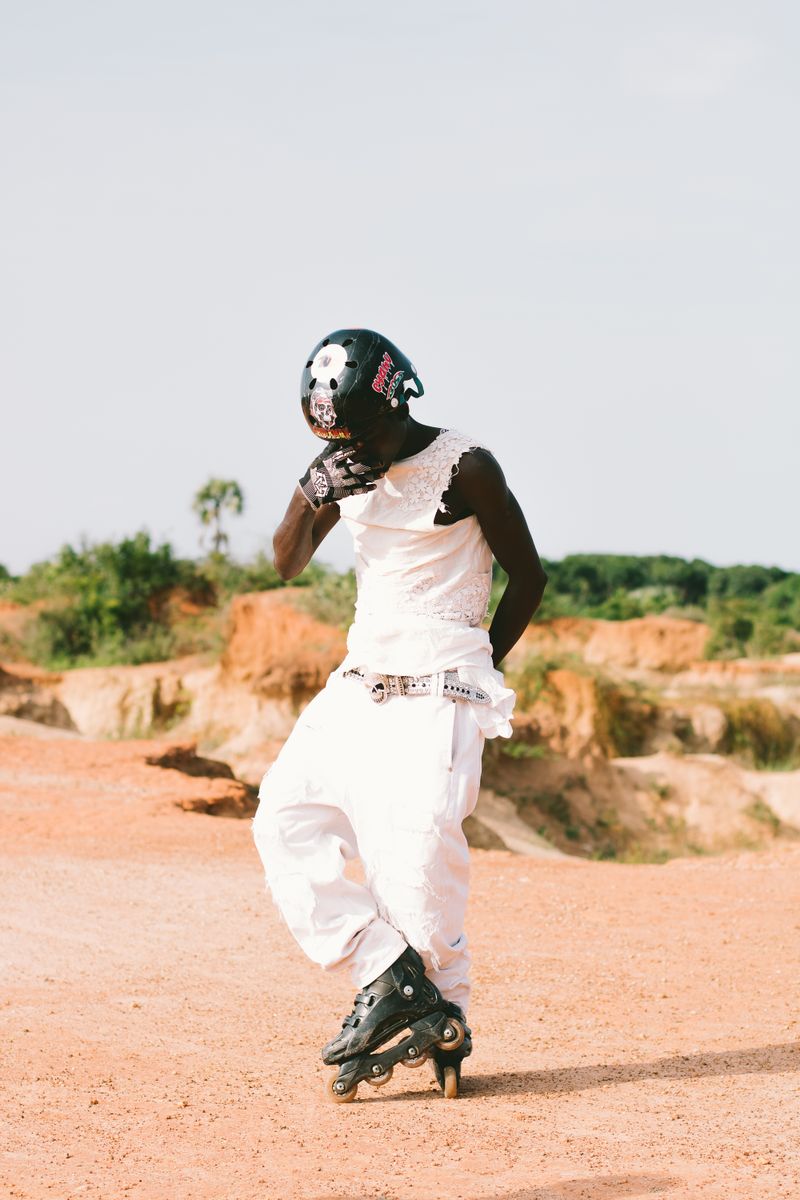
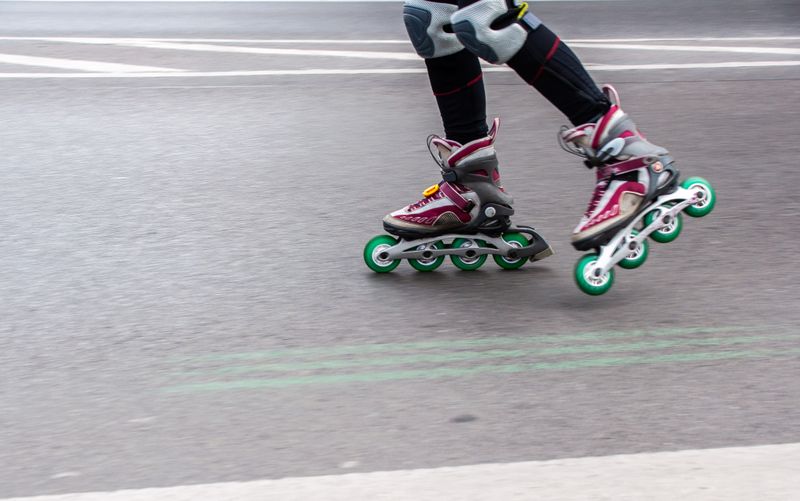
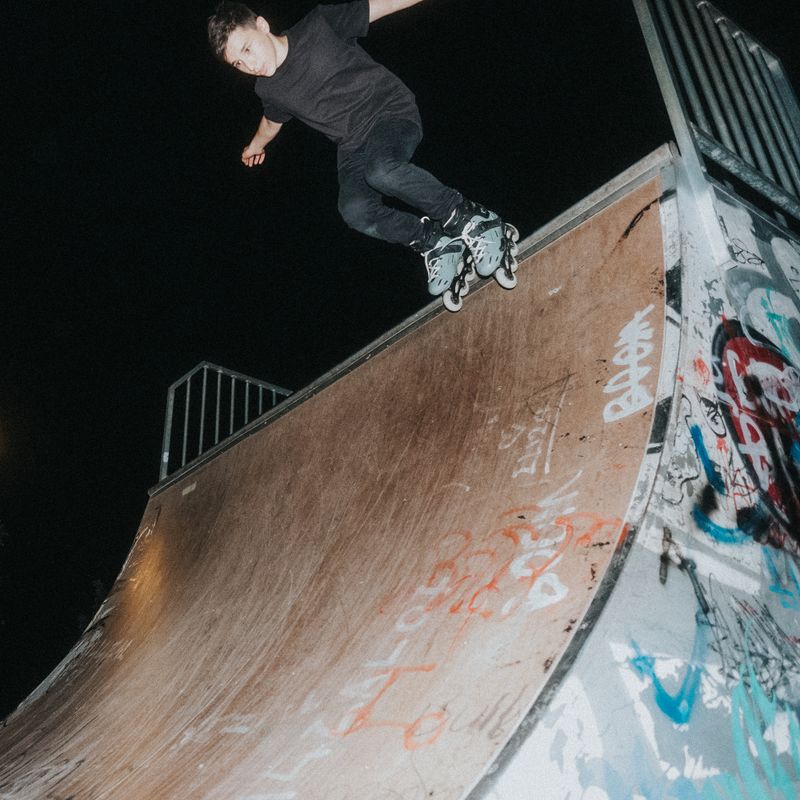
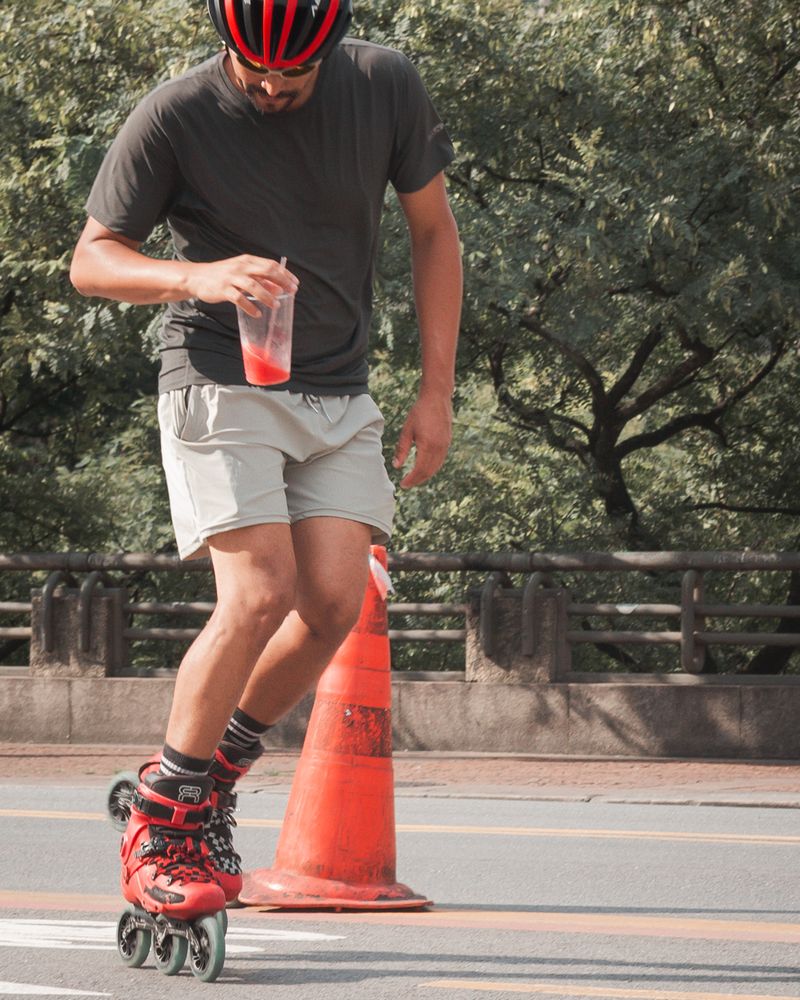
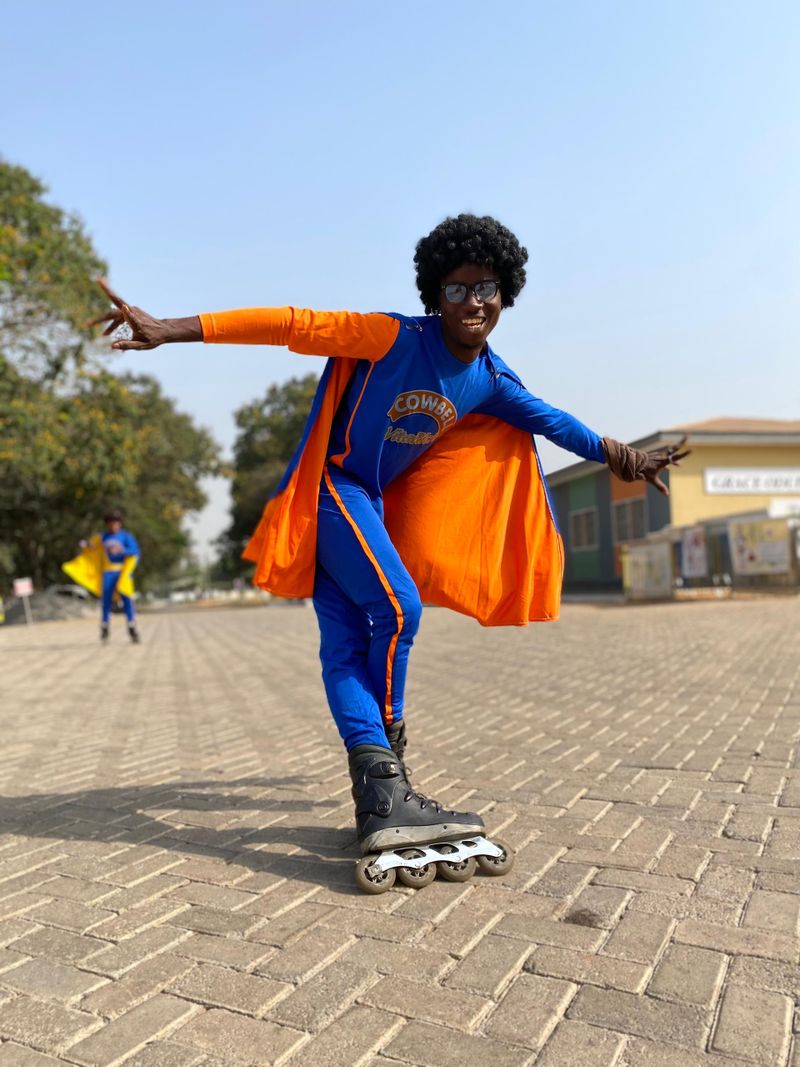
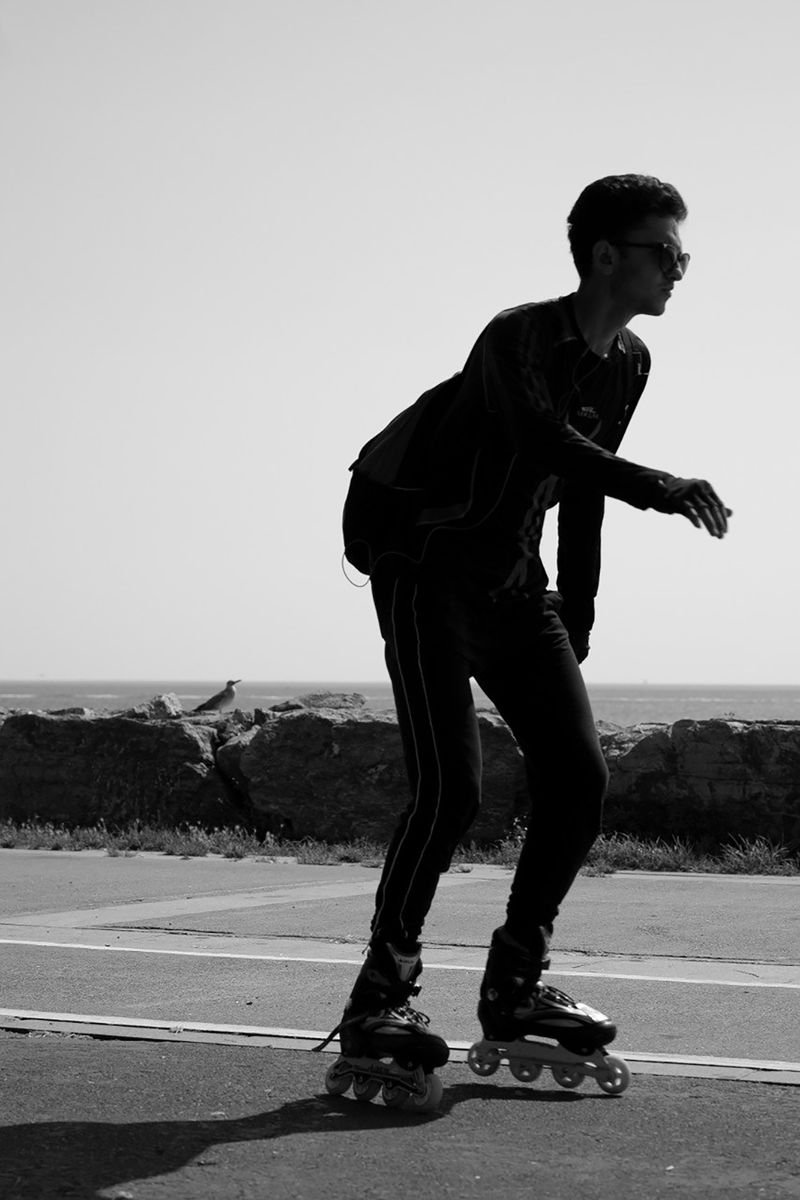
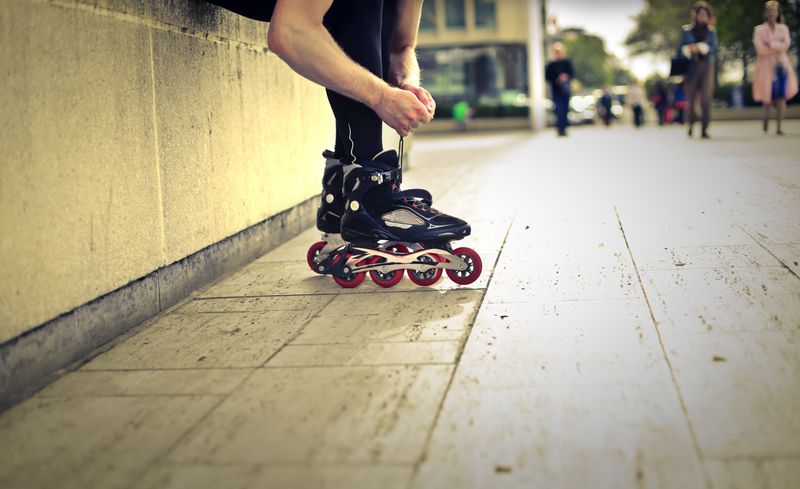
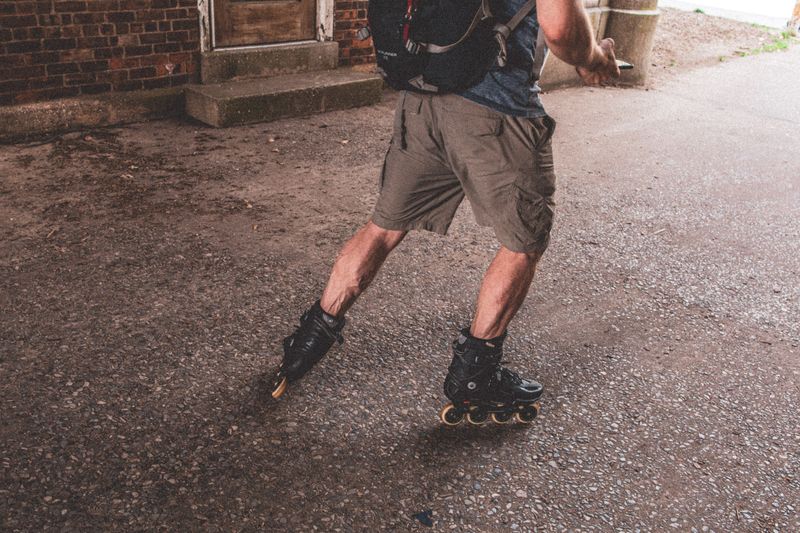
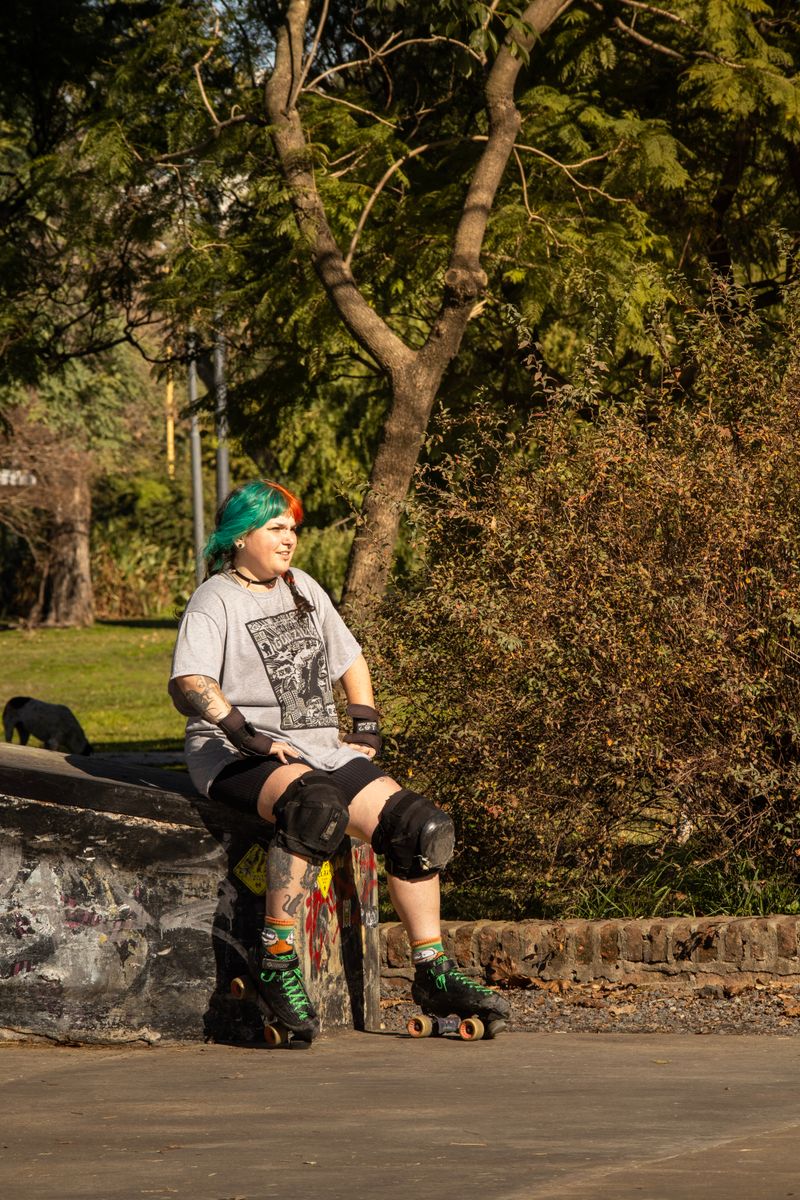
Community & Culture
Real leagues, real skaters, and the stories that make inline skating a community worth being part of.

CoMo Roller Derby: Columbia’s All-Female Flat-Track League
Since 2011, this Missouri team has built a league around athleticism, sisterhood, and giving back to its community.
Read Story →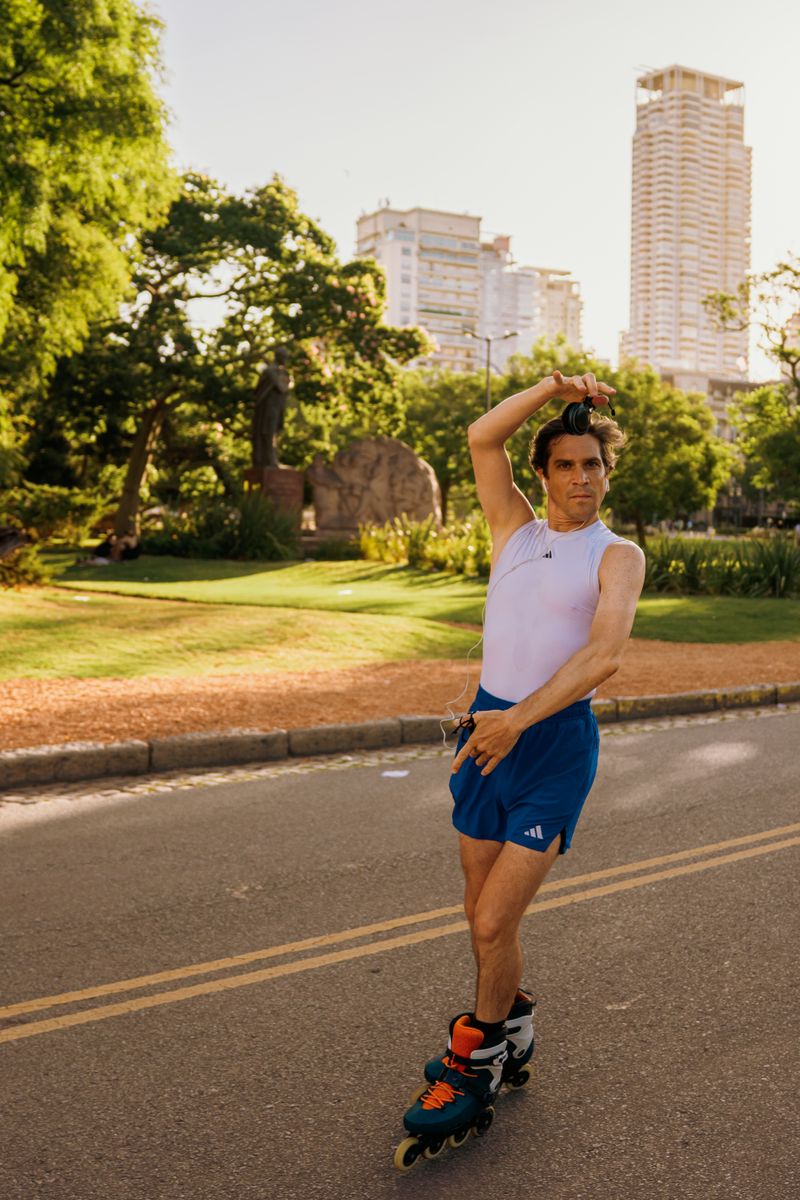
Meet the Rollerbillies: Cambridge Roller Derby
Founded in 2011, Cambridge’s flat-track derby league has grown into one of the region’s most established teams.
Read Story →
5 Halloween Skate Events Worth Traveling For
Costumes, glow sticks, and skate parks turned spooky for one night — traditions worth knowing about.
Read Story →
7 Great Spots for Rollerblading in London
From Battersea’s flat riverside path to a covered skate park under the Westway — room for every level.
Read Story →New to Inline Skating? Start Here
A short, practical path from your first pair of skates to your first confident stride.
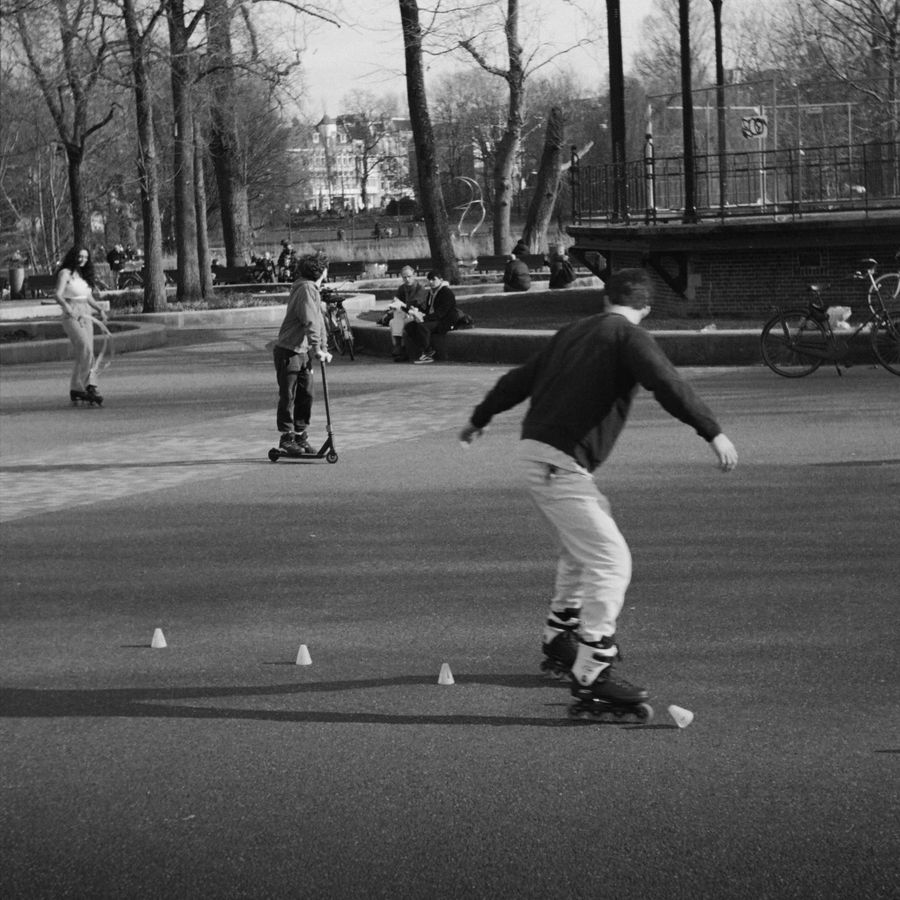
Pick the Right Skates
Choose recreational skates with soft boots and larger wheels for stability while you’re learning.
Gear Up First
Helmet, wrist guards, elbow and knee pads — every experienced skater started with full protection.
Find Your Stance
Knees bent, weight forward, arms relaxed. A stable stance is the base every other skill builds on.
Learn to Stop
Master the heel brake or T-stop before building speed — control always comes before confidence.
Join a Community
Skating with others speeds up learning and turns a hobby into a lasting part of your routine.
Browse by Category
Everything on IISA falls into three lanes — pick the one that matches what you’re chasing today.

Community & Culture
Leagues, roller derby teams, skate meetups and the people who make the sport feel like a family — the stories behind the skaters.
Browse Category →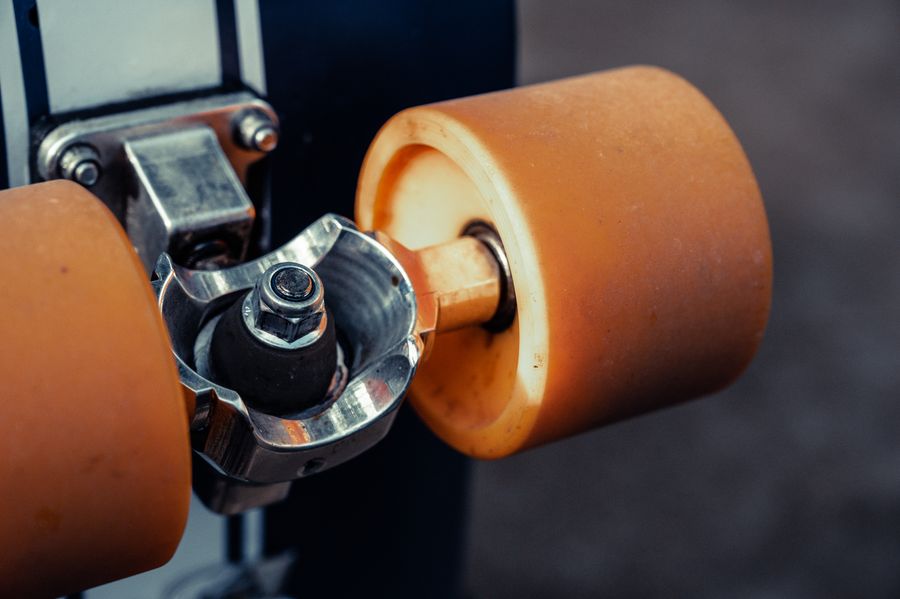
Gear & Fitness
Equipment breakdowns, injury prevention and training moves that build the strength and endurance skating demands.
Browse Category →
Skate Skills
Step-by-step technique — from your first crossover to skating backward, over cracks, and everything in between.
Browse Category →See It In Motion
Technique only makes sense once you watch it broken down, stride by stride.
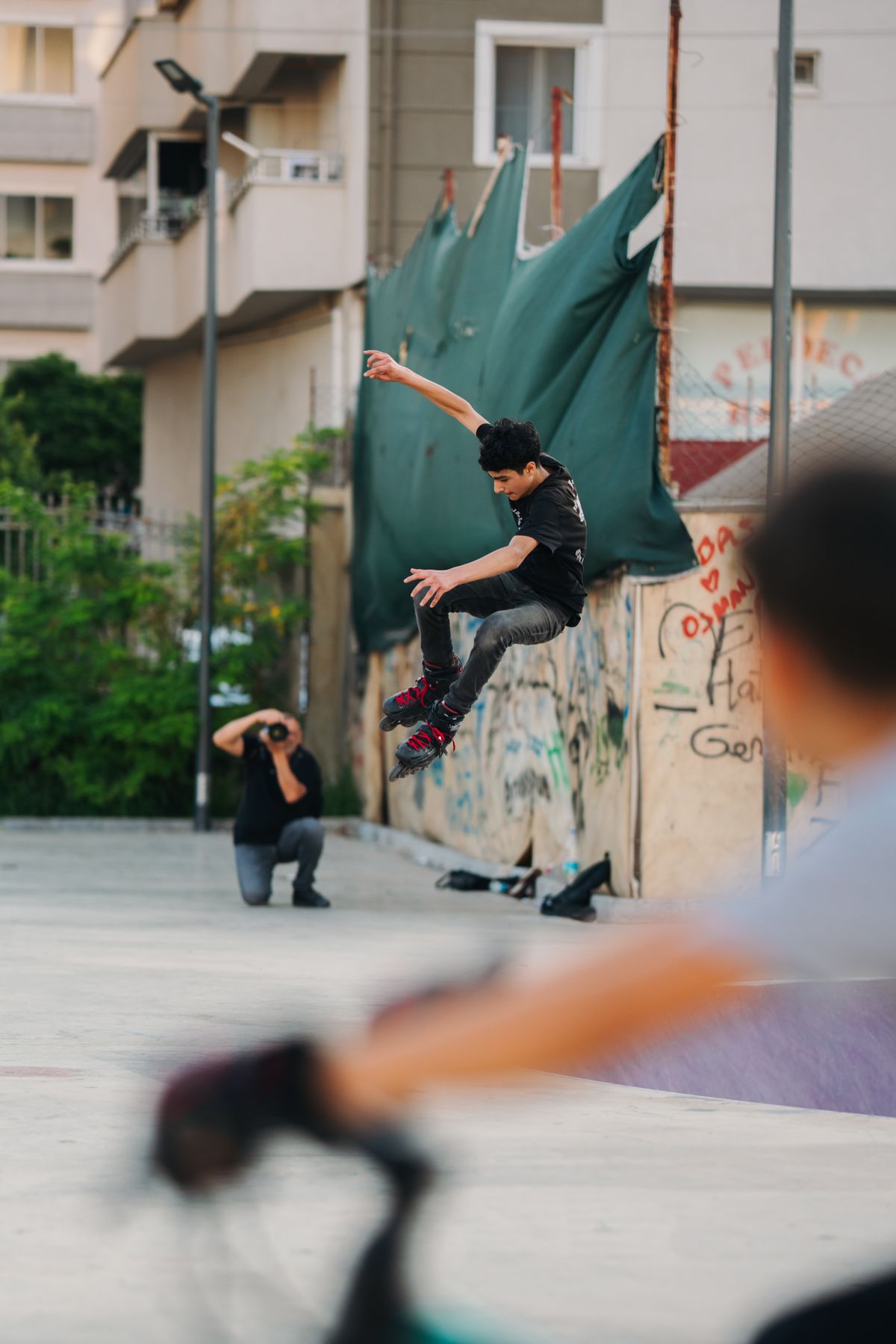
Every Move, Broken Down Step by Step
Lunges, crossovers, backward stops — the moves that build real skating ability are easier to pick up once you see exactly how they’re done, one stride at a time.
- Step-by-step technique breakdowns
- Real skaters, real form corrections
- Beginner to advanced progressions
Frequently Asked Questions
Straight answers to what most skaters ask before their first session.
Still have a question?
Can’t find what you’re looking for? Reach out and the IISA community will help you figure it out.
Contact IISAYes. It’s a low-impact, full-body workout that builds cardiovascular fitness, leg strength, balance, and core stability all at once — with far less strain on the joints than running.
A properly fitted pair of skates, a helmet, wrist guards, and knee and elbow pads. Comfortable, breathable clothing you can move in makes the rest easier.
Most people get comfortable with balance and basic movement within a few sessions. Starting on flat, open ground and focusing on stance before speed makes the learning curve much smoother.
Inline skates have wheels arranged in a single line for speed and maneuverability, while traditional roller (quad) skates have two wheels in front and two in back for extra stability.
Local skate parks, rinks, and social media groups are usually the fastest way in — many cities also run regular group skate nights that welcome all skill levels.
Level Up Your Technique
Practical, technique-first guides for skaters ready to move past the basics.
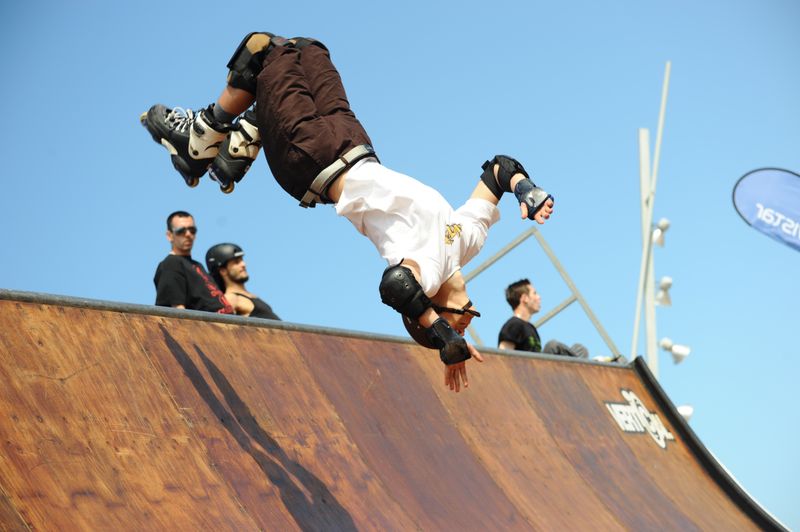
Inside the Roller Derby Skills Test
Before anyone hits the track, every derby skater has to prove they’ve got the fundamentals down.
Read More →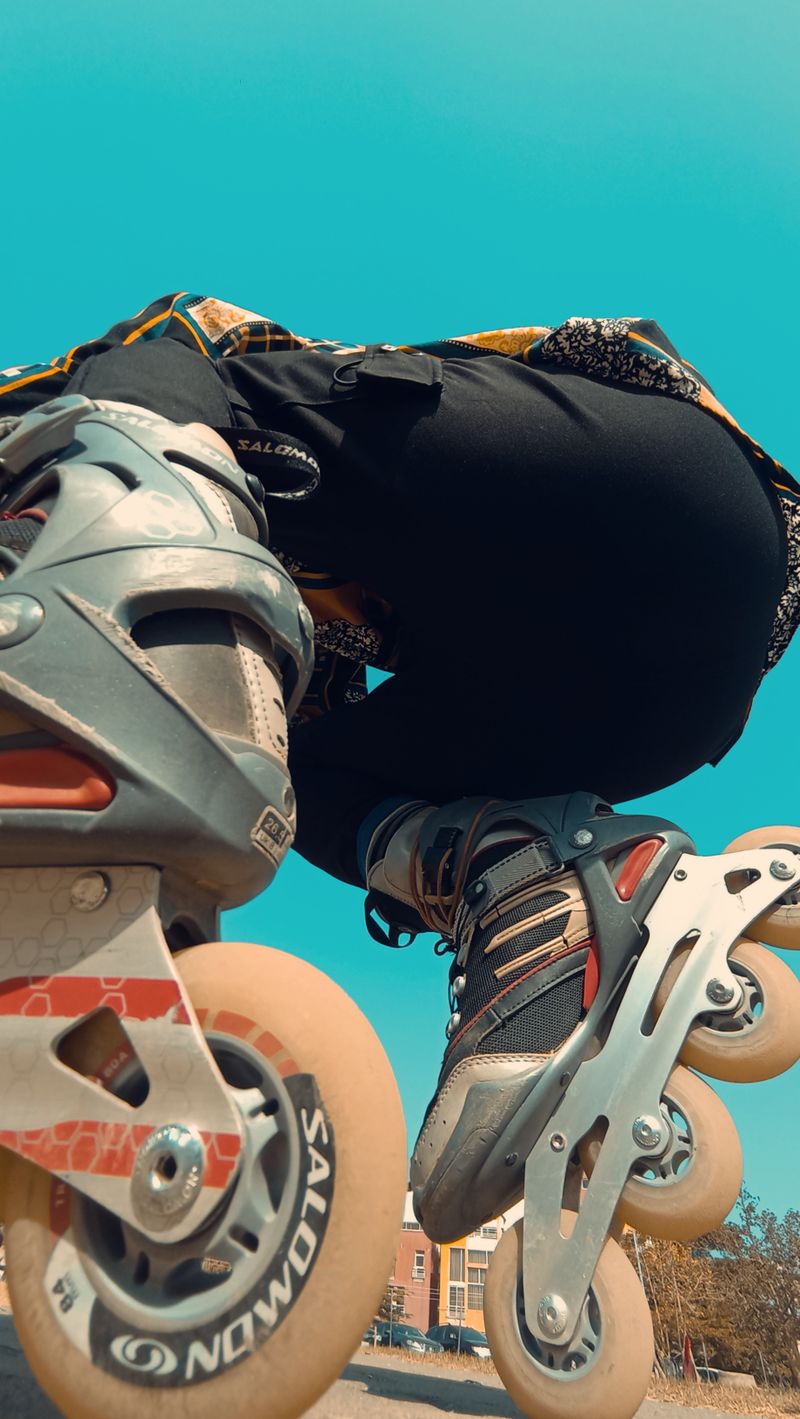
5 Ways to Skate Faster
Speed comes from technique and conditioning more than raw effort — here’s where to focus.
Read More →
How to Skate Backwards Without the Fear
Skating backward feels unnatural at first, but the fundamentals are simpler than they look.
Read More →
How to Skate Over Cracks Without Losing Your Flow
Uneven pavement is unavoidable once you leave the rink — here’s how to roll through it.
Read More →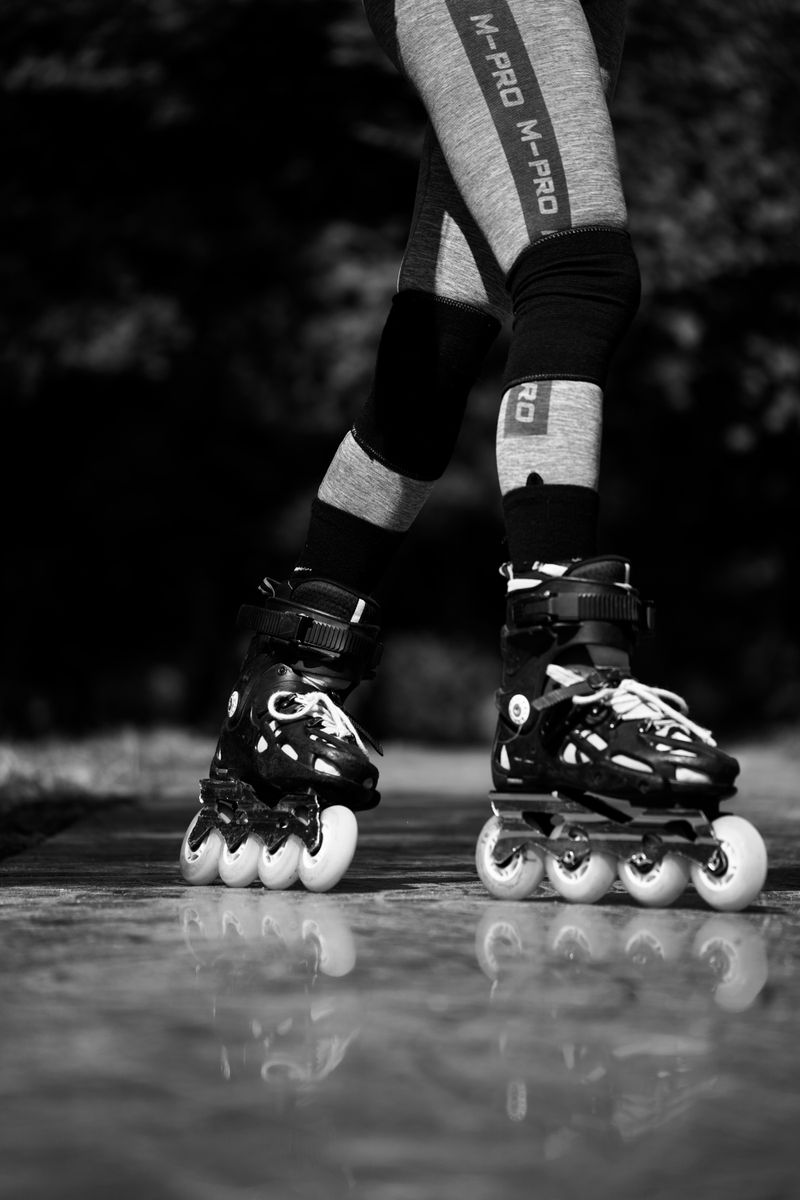
Lower Back Pain From Skating: Causes and How to Prevent It
Falls and hard landings put real strain on the lower back — what typically goes wrong.
Read More →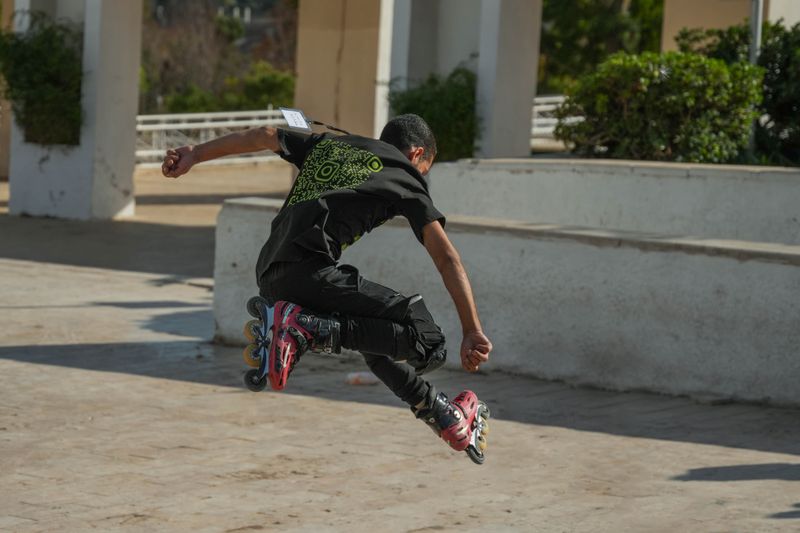
Skater Lunges: A Simple Move for Serious Balance
This bodyweight exercise builds the same balance, coordination, and leg power skating demands.
Read More →More From IISA
The rest of the site, one click away.